Plastic and reconstructive surgery instruments are designed for extreme precision, gentle tissue manipulation, and minimal post-operative scarring. Since this branch of medicine is concerned with both aesthetics and functionality, the tools are often smaller and sharper than standard surgical instruments.
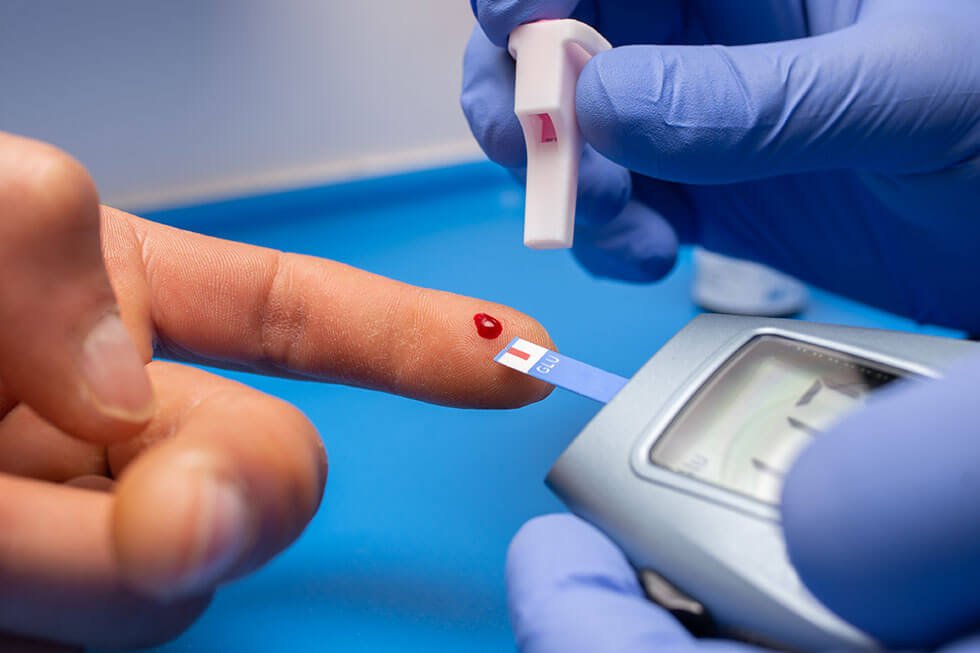
Routine hematology and coagulation testing is available 24 hours a day, 7 days a week. Additionally, advanced hematological tests are a performed using a variety of techniques including flow cytometry and electrophoresis based methods and are available from Monday to Friday, 7 am – 5 pm.
1
Specialized instruments (manual or electric) used to take thin, precise layers of skin from a healthy part of the body to perform transplants on damaged areas.
2
Fine, serrated or smooth forceps that allow the surgeon to hold the edges of the skin with minimal pressure, thus preventing bruising and damage to sensitive tissue.
3
They often have slightly curved blades and are used for precise preparation (separation) of skin and subcutaneous tissue during procedures such as facelifts or breast reconstruction.
4
Hollow tubes of different diameters and tip shapes that are used for the aspiration of fat tissue, but also for its re-injection (lipofilling) for face or body contouring.
5
Extremely fine instruments that allow the surgeon to work with almost invisible sutures, which is of crucial importance in the microscopic reconstruction of nerves and blood vessels
6
Tools used to lift soft tissue or periosteum without tearing, which is necessary during nose surgery (rhinoplasty) or facial bone reconstruction.